Physical Rhetoric
Posture Linguistics: Visual Credibility Under the Lens
By Ironbridge Editorial Team
Published in Nairobi, Kenya
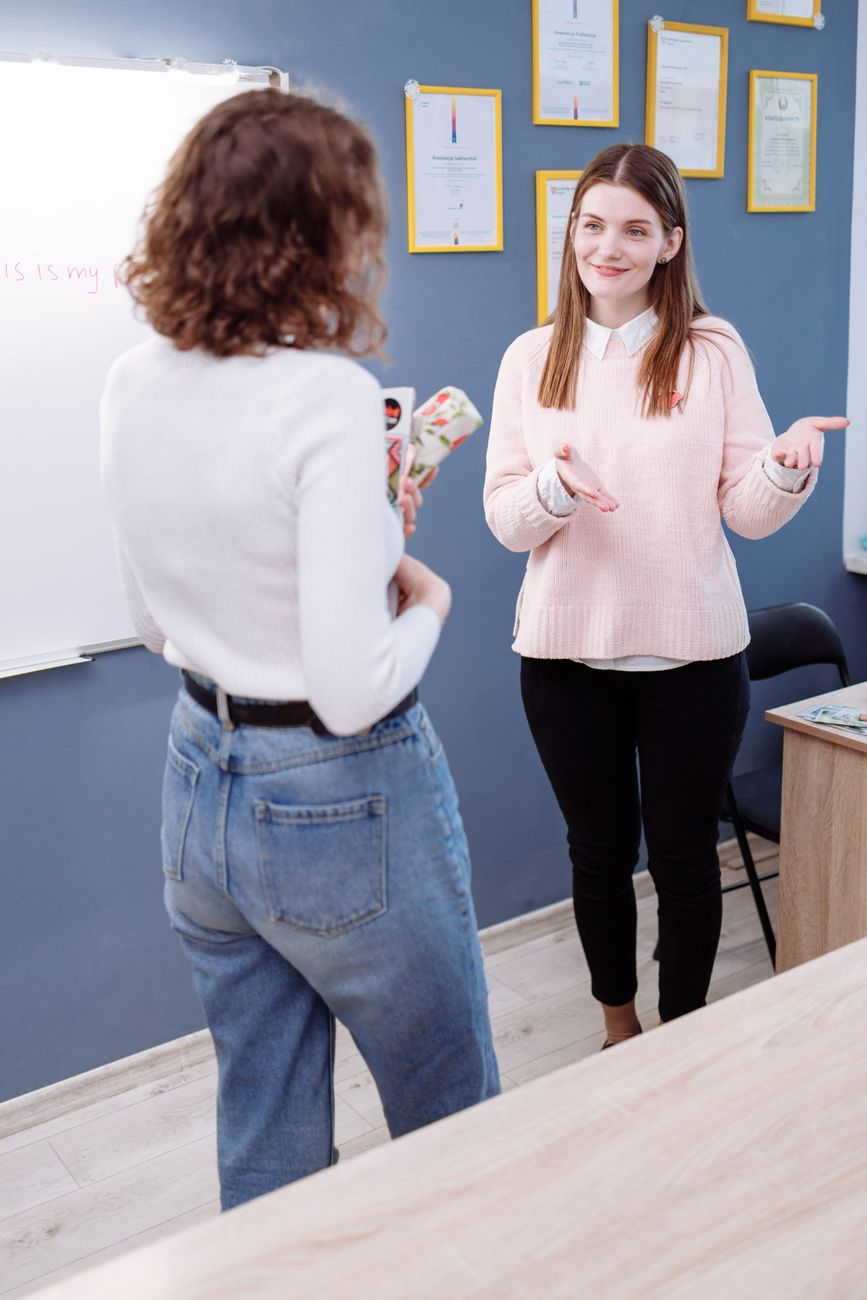
More than half of human communication is entirely non-verbal. When speaking on camera, viewers begin forming an opinion of your authority before you finish your opening sentence.
Understanding non-verbal signals helps you maintain a natural, commanding, and authentic presence during media events and public forums.
1. Eliminate Unconscious Jitters
When nervousness rises, the body expels excess energy through repeated micro-movements, like tapping toes, rocking shoulders, or playing with small desk items. Unconsciously, these small habits signal worry or defensiveness to your audience.
Instead, keep your hands in a structured, open home-base position on the media table, showing you are ready, relaxed, and fully in control.
2. Stabilize Your Eye Contact
Looking up, down, or rapidly side-to-side while speaking can appear as if you are trying to hide information. Maintain steady, relaxed eye contact directly with the interviewer or the designated camera lens.
This keeps the audience's focus squarely on the substance of your message.
3. Ground Your Shoulders
A quick indicator of rising stress is breathing into the upper chest, which causes the shoulders to tighten and rise toward the ears.
Deep, slow abdominal breathing helps keep your posture relaxed and open, projection clear, and vocal pitch steady during challenging discussions.
Experience Playback Analysis
Learn to control your body’s natural responses during high-pressure situations by reviewing your posture on camera with our expert instructors.
Book Studio Evaluation